Tag Archives: judaism

THOUGHTS FROM ISRAEL #6

I spent today in the Gaza envelope with a survivor of the Nova Music Festival. I’ve decided not to blog too much about the experience. There are too many thoughts in my head and I need time to process them.  When I return home, I’ll surely want to share more with you on a Shabbat morning as well as the Sunday post-minyan breakfast I’ve scheduled for January 12th.

But I will say this much . . .  It was quite surreal standing on a hilltop in Sderot watching plumes of smoke and hearing explosions in northern Gaza just 10 kilometers (6 miles) away. Busloads of Israelis and tourist were there taking photos, spectators to a life and death struggle taking place right before our eyes.

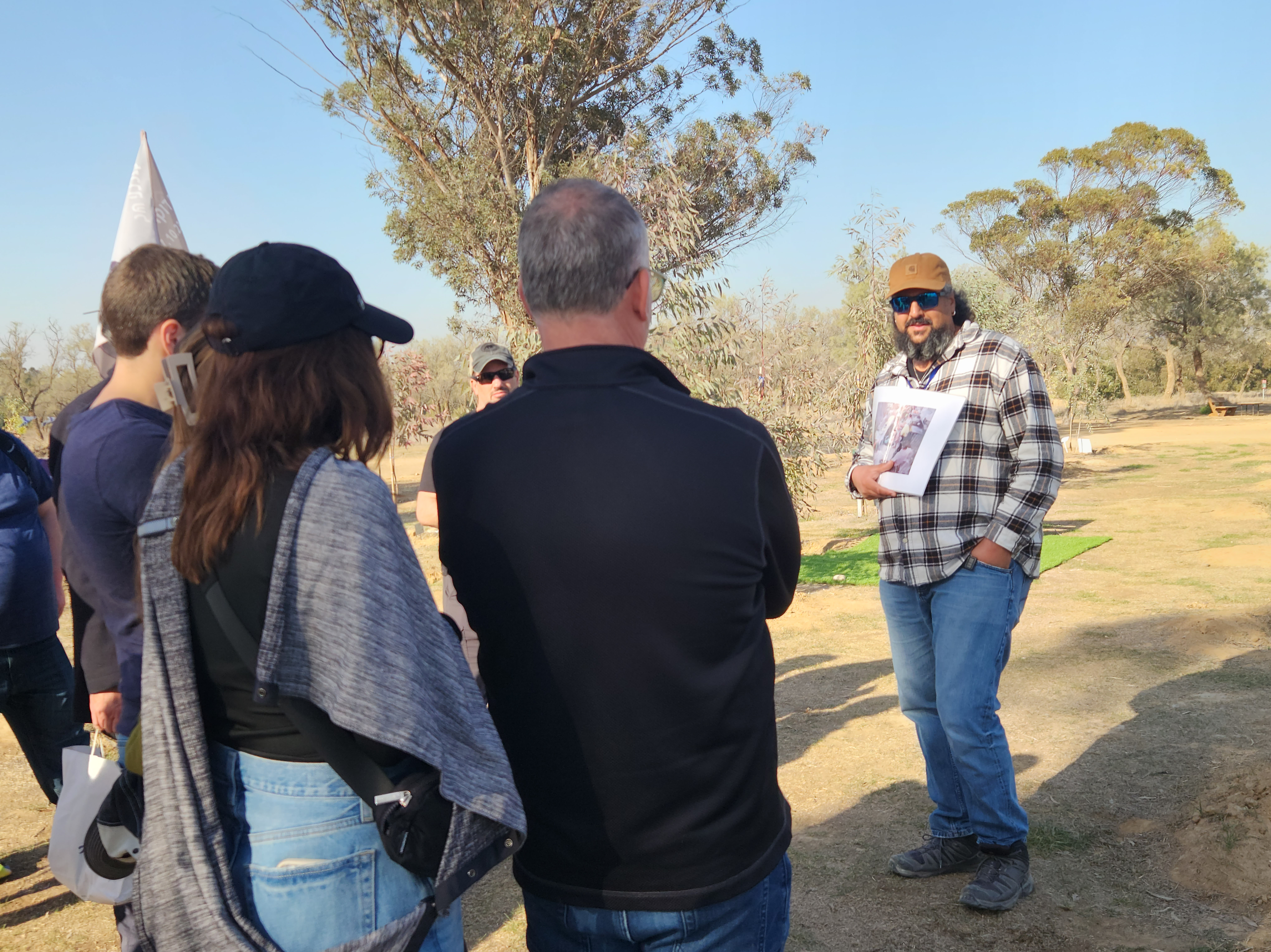
I’ll share a few of my photos from today, including one of our guide Amit, just not the heart- wrenching ones I took at the Nova site or the Tekuma vehicle graveyard of more than 1,500 burnt-out cars, trucks, vans from October 7th, each a tragic story in and of itself.

Instead, let me describe my day yesterday. It began with a trip to the Malha mall in Jerusalem, hardly different than upscale malls in the United States. My mission: to buy as many pairs of thermal pants for IDF soldiers as I could reasonably carry (since I used my discretionary fund to purchase them, you, the members of the Center, served as partners in this mitzvah). I delivered them today to the Shuvah Achim soldiers’ canteen in the Gaza envelope where they will go to good use.

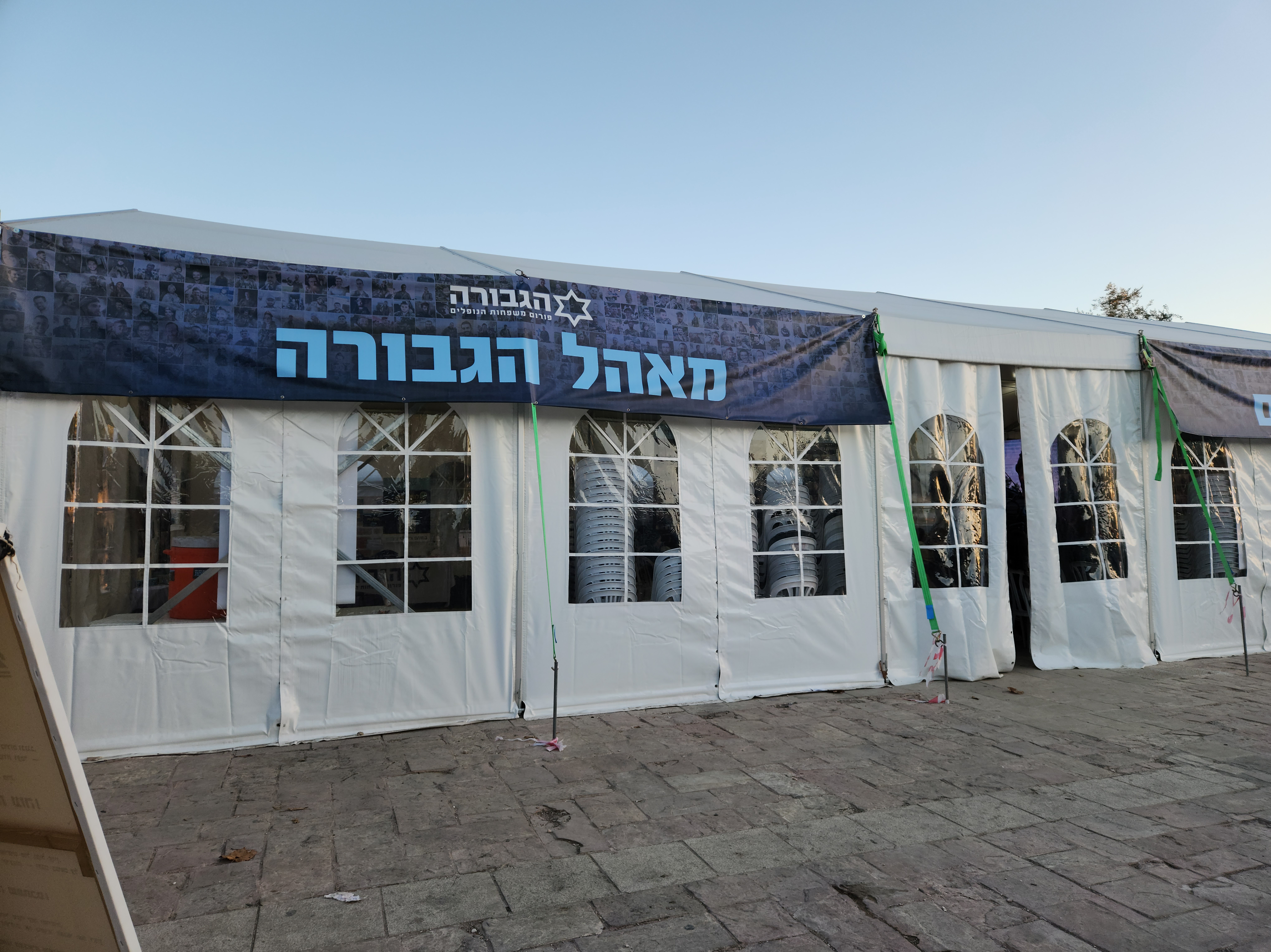
Yesterday afternoon I spent several hours at the Ohel Gevurah, an impromptu structure erected across from Cinema City and close to many of Israel’s government ministries. The tent, which opened in April, offers a place for IDF families who have lost loved ones to gather, share their stories, laugh and cry. In a society fractured in so many different ways, it is a safe haven for secular and religious Israelis — including Haredi families who have lost sons while serving — as well as Druze and Bedouin families whose children died while wearing the uniform of the IDF.  The courage of these people in the face of tragedy is humbling and inspiring.

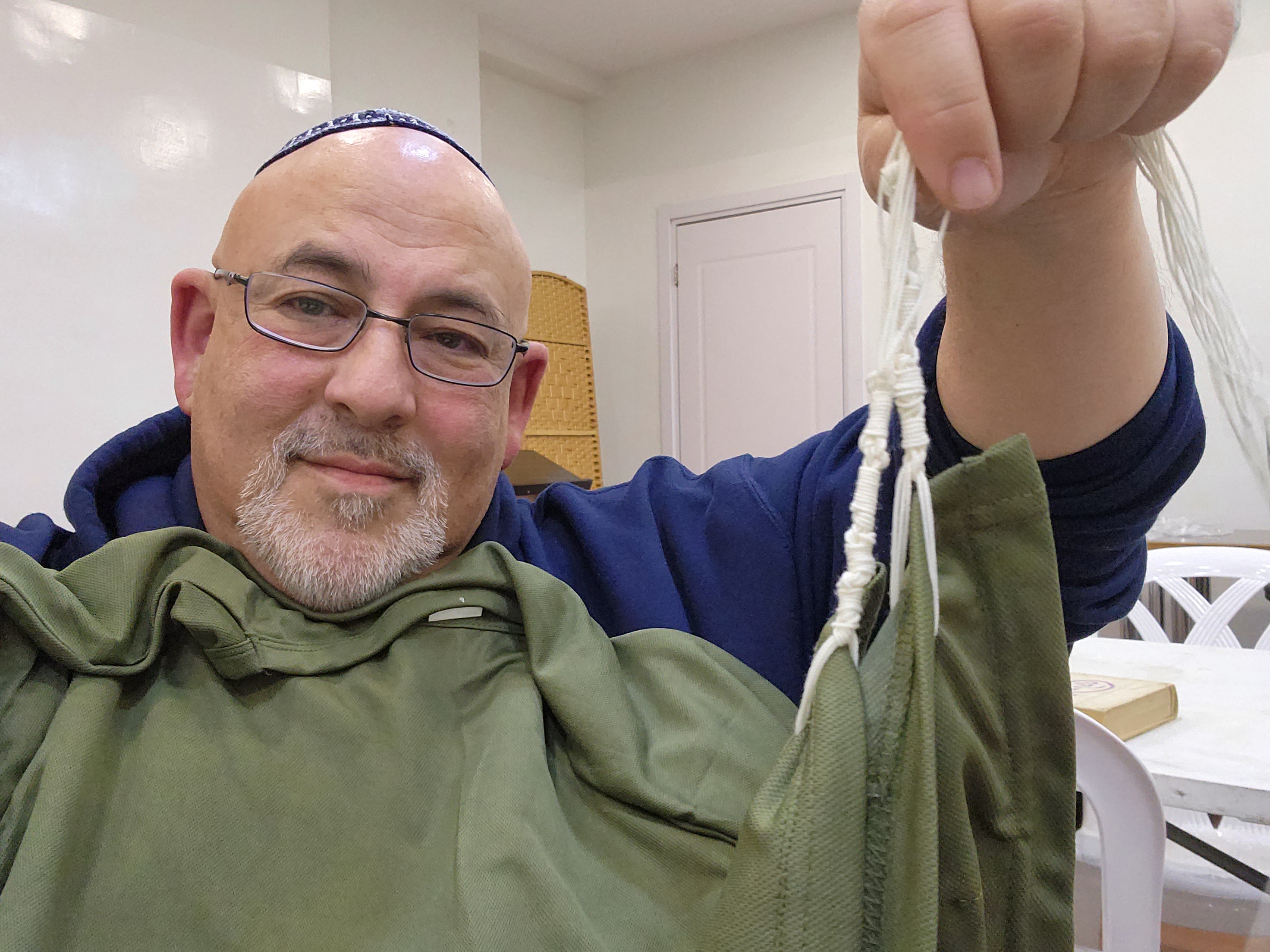
My last stop was at “Tzitzit for Tzahal”, where I joined others tying tzitzit knots on IDF-regulation olive drab undershirts. Amazingly, since November 2023, this group has completed 99,265 tallit katan garments. By Hanukkah they will pass the 100,000-mark. It was a good way to end the day.

Tomorrow is Erev Shabbat. I’m signed up to deliver hallot from Jerusalem to Zikim and Be’eri, two of the communities in the Gaza envelope struck on October 7th. I am looking forward to Shabbat in Jerusalem. Rabbi Matt Berkowitz and his wonderful wife, Nadya, have invited me for Shabbat dinner.

It has been an exhausting, yet meaningful, week. Thank God for Shabbat; I am emotionally and physically in need of a day of rest.

Laila Tov from Yerushalyim!

Jonathan Lubliner
Jack F. Shorstein Senior Rabbi
Leave a comment

Filed under RJL Biography

THOUGHTS IN TRANSIT TO ISRAEL #3

Life in Italy includes periodic strikes, usually of a few hours duration only and always announced in advance. We had planned to take the Vaporetto, the “water bus” which serves as the backbone of the city’s public transportation, to travel to the Ghetto in time for Shabbat services.  Alas, the transit workers were on strike for the day. 

I read with interest the long list of complaints against the government, which the union is required to publish before striking. Most of them had to do with wages and benefits, but among them was this gem: “Against Italy’s growing involvement in supporting the genocidal Israeli government” italics and emphasis added).

Setting aside the improbable linkage between the economic affairs of Italy’s transit workers and the Middle East, why do the bus drivers, train conductors and Vaporetto captains excoriate Israel alone?  The only thing more remarkable than the one-sidedness of the declaration was its complete silence regarding the many other troubled spots around the world where there is horrible suffering. The self-righteous posturing of Western Europe’s unions is maddening, but hardly surprising. This Zionist was only too happy to take a private water taxi instead . . .

Susan and I attended services at the Levantine synagogue, where the ritual follows the Sephardic nusah. The shul was sparsely attended – no more than 25 worshippers. Security was tight and required us to submit our passport photos in advance. The rabbi and the regulars weren’t particularly friendly, but I came to pray, not shmooze. Still, it would have been nice to have received more than one curt “Shabbat Shalom” (not from the rabbi). After services I would have stayed for the weekly Torah study session, until I realized it was in Italian, not Hebrew. To tell the truth, the interesting atmosphere of the sanctuary aside, I much prefer our own warmer shul, where the clergy are so much friendlier! 😉

We had prepaid Shabbat meals at BaGhetto, the kosher restaurant at which we had our cooking lesson earlier in the week. After dinner we enjoyed a leisurely walk back to our hotel. The rest of Shabbat was quiet and lovely.

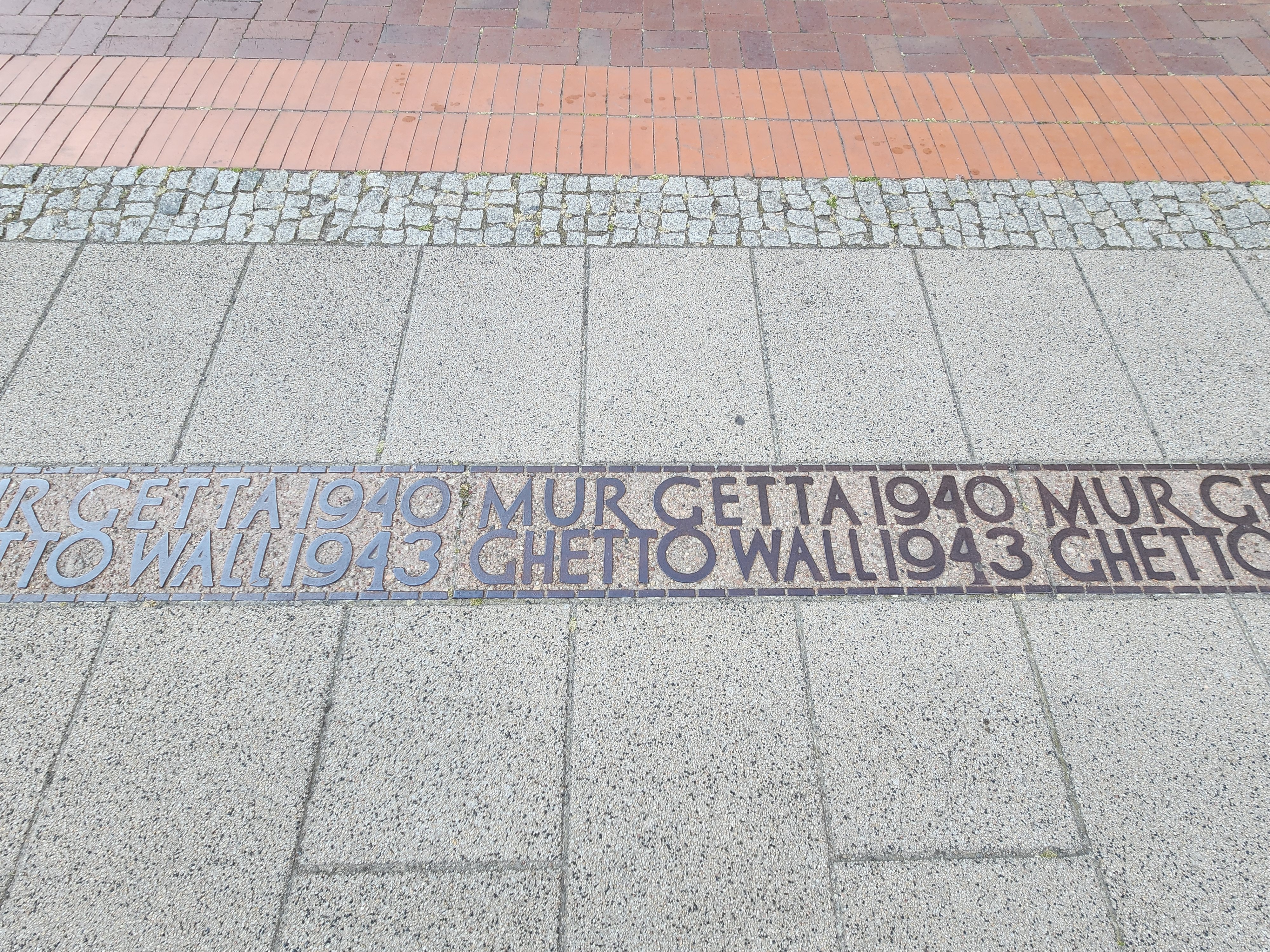
This morning I woke up at 0-dark o’clock to make a dawn flight to Warsaw, where I am now. It was difficult to find a direct flight to Israel. El Al has one daily flight from Venice, but it was booked solid for the week. Plan B was to fly LOT, the Polish Airline, and change planes in Warsaw, but the Tel Aviv leg was canceled. Tomorrow I will board El Al’s morning flight to Ben Gurion Airport. In the meantime, I’ve been wandering Warsaw’s streets, discovering how unaccustomed I’ve become to winter’s cold since moving to Jacksonville. In just a bit I will go to dinner at Bakef, a kosher restaurant in Muranow, near where the ghetto of the Nazi era once stood.

My schedule in Israel is slowly taking shape. On Tuesday I will travel to Neve Hanna, the children’s home in Kiryat Gat with which I’ve had a relationship for many years. On Wednesday morning, I’ve signed up to tie tzitzit on IDF combat approved garments and then will visit the Gevurah tent near Cinema City in Jerusalem to show solidarity with bereaved families whose children have died in combat in the North and Gaza. On Thursday I will travel with a survivor of the Nova festival to bear witness to the brutality of October 7th. My next post, God willing, will be from Israel.

Życzę dobrej nocy z Warszawy (“Wishing you a good night from Warsaw” – so says Google Translate!)

Jonathan Lubliner
Jack F. Shorstein Senior Rabbi

Leave a comment

Filed under RJL Biography

THOUGHTS FROM VENICE #2

It has been an eventful week, one tinged by sadness at learning of Inge  Gaffney’s passing, may her memory be for a blessing. She and Rabbi Gaffney touched countless lives during and after their time in Jacksonville. May the Holy One comfort the Gaffneys and the many who grieve Inge’s loss among the other mourners of Zion and Jerusalem.

*****

Earlier this week, Susan and I spent a day in Padua, where we saw Giotto’s stunning 14th-century frescoes in the Scrovegni Chapel and toured Italy’s second oldest university. In Padua Galileo and others fought for scientific truth and academic freedom from the heavy-handed domination of the Church. And while Jews were generally prohibited from most disciplines, they were permitted to study with the faculty of medicine and become physicians. 

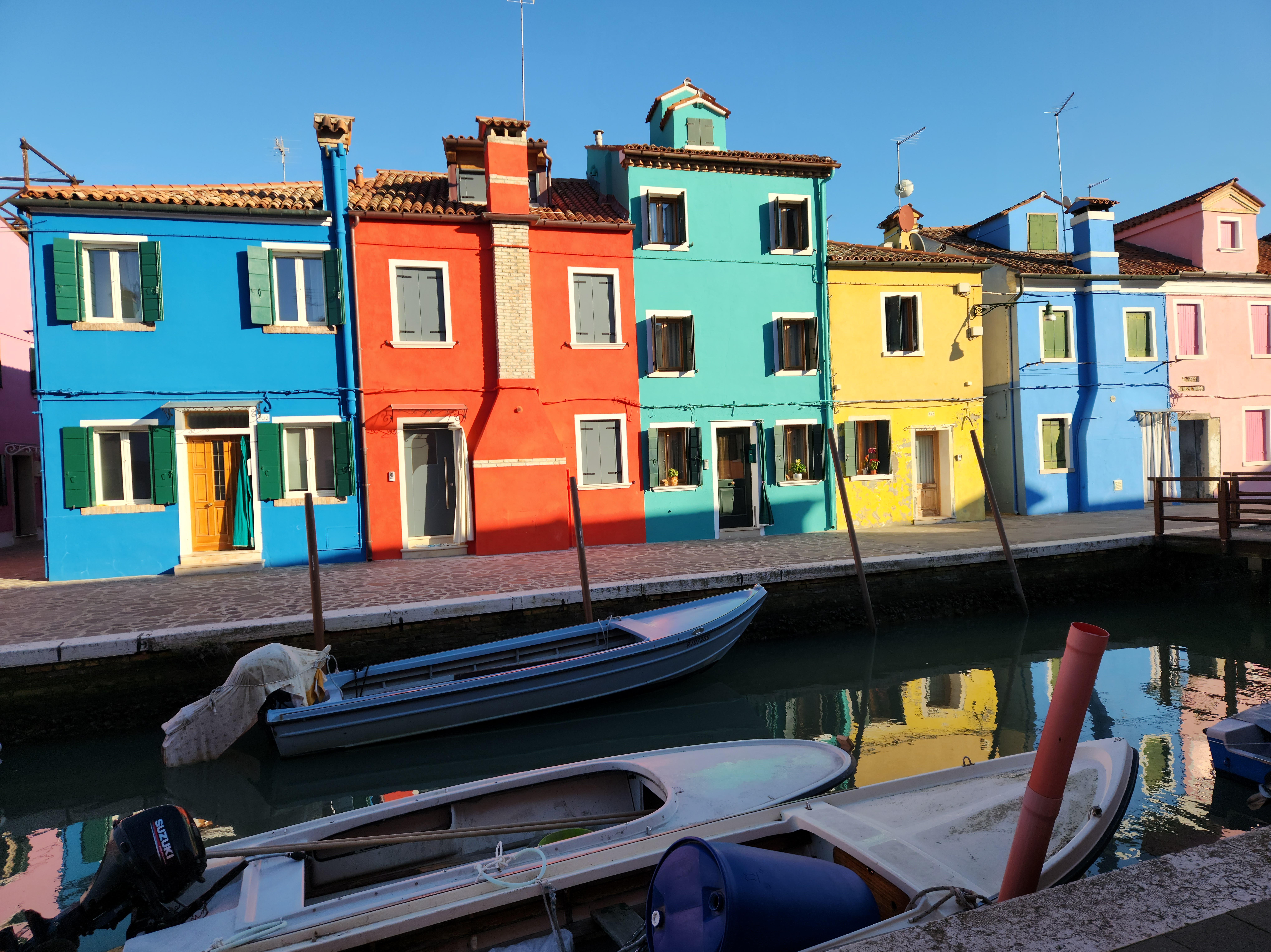
Returning to Venice, we visited the glassmakers of Murano, and spent an enchanting afternoon on Burano island, known for its brightly colored houses and home to the nearly lost art of medieval lacemaking.  We will visit the Doges Palace and San Marco Basilica this morning before getting ready for Shabbat.

One of the highlights of the week was the Italian cooking class Susan and I signed up for at BaGhetto, one of two kosher restaurants in Venice. What made it so memorable was our teachers: Ronnie, the Italian-trained chef from Bangladesh, who speaks no more than a few words of English; and Thatch, the multi-lingual maitre’d from Cameroon, who assisted and translated for Ronnie. That a Muslim from Bangladesh and a Christian from West Africa were working in a kosher restaurant, teaching two American Jews how to make authentic Italian dishes was a delicious irony. Literally.

We are looking forward to a quiet Shabbat. Because Venice has an eruv I’ll be able to carry my own tallit to shul, and thankfully, a carefully annotated map showing how to navigate from the hotel to the Ghetto and back. It would be all too easy to get utterly lost in the labyrinth of alleys that are this city’s streets.

After Shabbat, I will pack up and prepare for a pre-dawn departure to Warsaw, where I’ll connect to my flight to Israel. In just a few days both my heart and my body will be in the East! I look forward to sharing the next leg of this trip with you.

From the City of Water to the River City, wishing all of you a Shabbat Shalom,

Jonathan Lubliner
Jack F. Shorstein Senior Rabbi
Leave a comment

Filed under RJL Biography

THOUGHTS FROM VENICE #1

Today was our first day in Venice. A two-kilometer walk through the winding alleys and over the side canals brought us to the Jewish ghetto.

Until Napoleon opened its gates in 1797, the ghetto was certainly no tourist attraction for the nearly three centuries Venetian Jewry was compelld to live there. Crowded into a tiny area, builders added floors to accommodate residents because they could not expand beyond the ghetto’s confines. To this day, Venice’s tallest building is in the ghetto: a veritable “skyscraper” at seven stories!

Although the majority of Venice’s Jews, who number about 450, live all over the city, the ghetto remains the institional heart of the Jewish community and home to five synagogues. Today only two are used: the Spanish synagogue in the summer, the Levantine in the winter (because the latter has heating). That once upon a time five synagogues thrived here not only attests to the size of the Jewish  population — 5,000 at its height — but the diversity of its origins. Jews from other parts of Italy mingled with those from Germany, France, Turkey, and Greece.

On the front of the Italian synagogue, built in 1575, there is a small unplastered square with Hebrew lettering that reads, “zekher la-hurban”, meaning “in memory of the [Temple’s] destruction.” Since Talmudic times it has been customary to leave a small unfinished patch in a Jewish home or a synagogue as a reminder of Jerusalem’s destruction, a statement that we are less than complete in her absence. Gazing upon this facade, I felt a deep connection to those who placed this simple, yet powerful message on the front of their synagogue 450 years ago. I found myself wishing that those who deny in the name of ignorance the link between Jews, Judaism, and the land of Israel could be transported to the spot where I stood and see those words. No matter where our people wandered — whether in Spain, Italy, or Jacksonville — our hearts are in the East though our bodies are in the West. A week from now I’ll be in Israel!

Ciao,

Jonathan Lubliner
Jack  F. Shorstein Senior Rabbi
Leave a comment

Filed under RJL Biography